Who The Psychology of Money is for
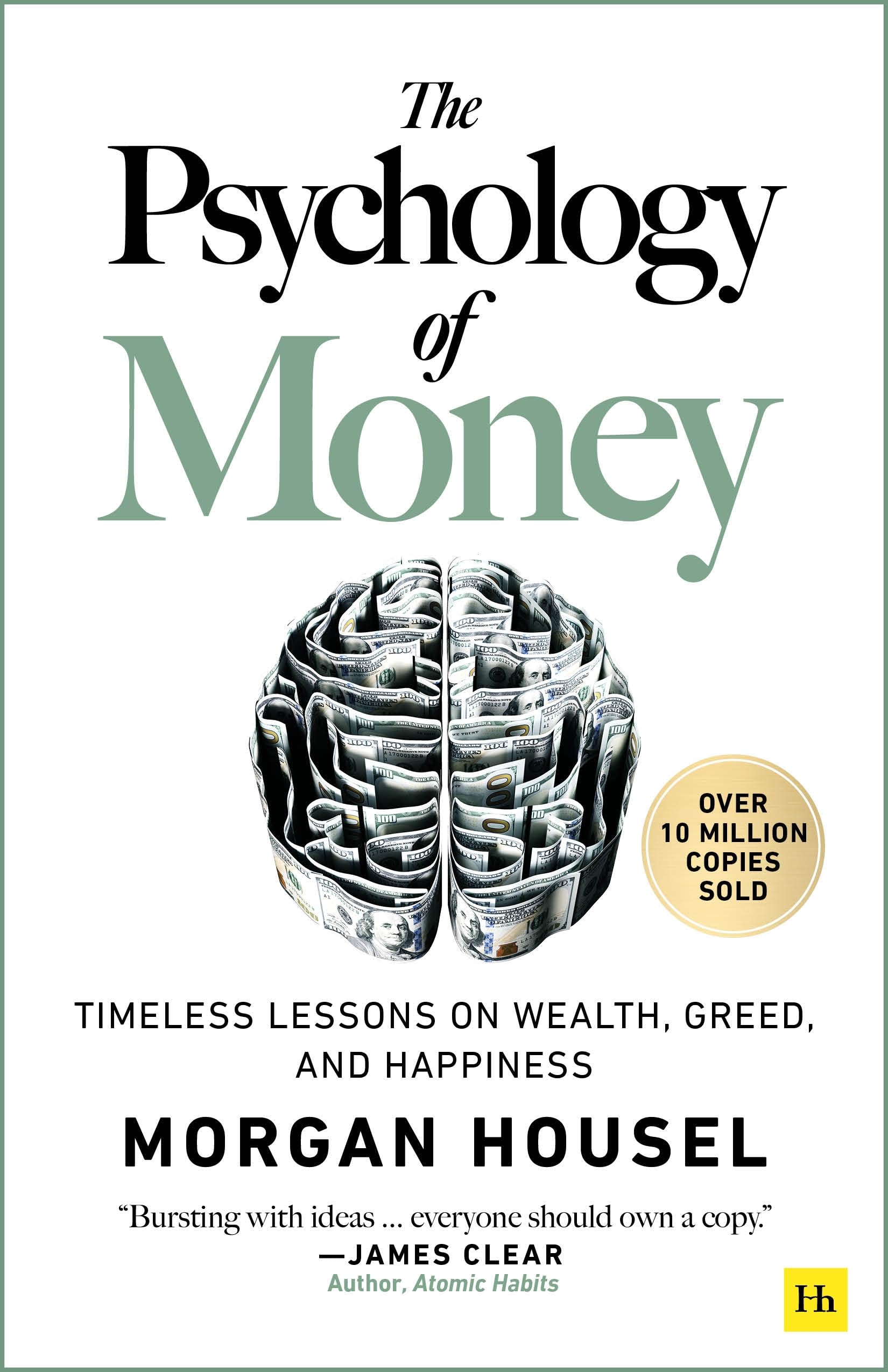
The Psychology of Money is intended for anyone who makes financial decisions and seeks to understand the psychological factors influencing their relationship with money. This book explores the idea that success with money is often more about behavior than financial knowledge. It is suited for readers interested in how personal history, ego, and worldviews affect financial outcomes.
Readers looking for a traditional "how-to" financial guide or purely mathematical formulas may find that The Psychology of Money does not meet those specific needs. The book focuses on exploring the human element of finance rather than providing step-by-step instructions. It presents ideas through short stories rather than a prescriptive approach.
What readers get from The Psychology of Money
Readers of The Psychology of Money get an exploration of the complex relationship between psychology and finance. The book argues that real-world financial decisions are often influenced by personal factors, not just logical calculations. It offers a perspective on how people think about money.
Morgan Housel presents these ideas through 19 short stories in The Psychology of Money. The book covers topics such as behavioral finance, financial decision-making, and wealth building. It also discusses the impact of emotions on money, risk perception, and saving habits, encouraging a long-term financial perspective. Readers should remember that financial advice should always be checked against their own situation.
The approach of The Psychology of Money
The approach in The Psychology of Money is not that of a traditional financial guide. Instead, it examines the human element that shapes financial outcomes and decision-making. The book helps readers make better sense of this crucial aspect of life by illustrating the strange ways people think about money.
Topics covered in The Psychology of Money
- Behavioral finance: How psychological factors influence financial behaviors and decisions.
- Financial decision-making: The various elements that contribute to how individuals make choices about money.
- Wealth building and maintenance: Insights into the processes of accumulating and preserving wealth.
- Impact of emotions on money: The role of feelings like ego and pride in financial actions.
- Risk perception: How individuals perceive and react to financial risks.
- Saving habits: Understanding the psychological drivers behind saving money.
- Independence and 'enough': Concepts related to financial freedom and contentment.
- Long-term financial perspective: Encouraging a focus on enduring financial strategies.
Format and narration of The Psychology of Money
For those interested in audio, The Psychology of Money is available as an unabridged audiobook. It has a listening length of 5 hours and 54 minutes. The audiobook is narrated by Chris Hill.
How The Psychology of Money compares to other books
The Psychology of Money by Morgan Housel is in the Business & Money category, with an Amazon rating of 4.7 based on 74,473 reviews at the time of writing. In comparison, The Let Them Theory by Mel Robbins is also in Business & Money, with a rating of 4.6 from 48,462 reviews. Atomic Habits by James Clear, another book in the Business & Money category, has a higher rating of 4.8 from 149,962 reviews.
What to read next after The Psychology of Money
If you appreciated the focus on personal behavior in finance, consider Atomic Habits by James Clear, which explores habits in a broader context within the Business & Money category. For another perspective on personal insights related to money and success, The Let Them Theory by Mel Robbins is also in the Business & Money category.
Questions readers ask about The Psychology of Money
What is "The Psychology of Money" about?
"The Psychology of Money" explores the idea that financial success is largely influenced by behavior rather than just financial knowledge. It examines how personal factors like ego and unique worldviews shape financial decisions, rather than purely mathematical formulas.
Who is the author of "The Psychology of Money"?
The author of "The Psychology of Money" is Morgan Housel. He is a partner at The Collaborative Fund and a former columnist for The Motley Fool and The Wall Street Journal.
Is "The Psychology of Money" a practical how-to guide?
No, "The Psychology of Money" is not presented as a traditional "how-to" financial guide. Instead, it serves as an exploration of the human element that influences financial outcomes and decision-making, told through 19 short stories.
What topics does "The Psychology of Money" cover?
The book covers topics such as behavioral finance, financial decision-making, and wealth building. It also covers the impact of emotions on money, risk perception, saving habits, and maintaining a long-term financial perspective.
See The Psychology of Money on Amazon
As an Amazon Associate, Bestseller Shelf earns from qualifying purchases. This guide is based on the publisher's description, public information about the book and Amazon listing data as of September 25, 2026; it is not a personal review.