Who The Psychology of Money is for
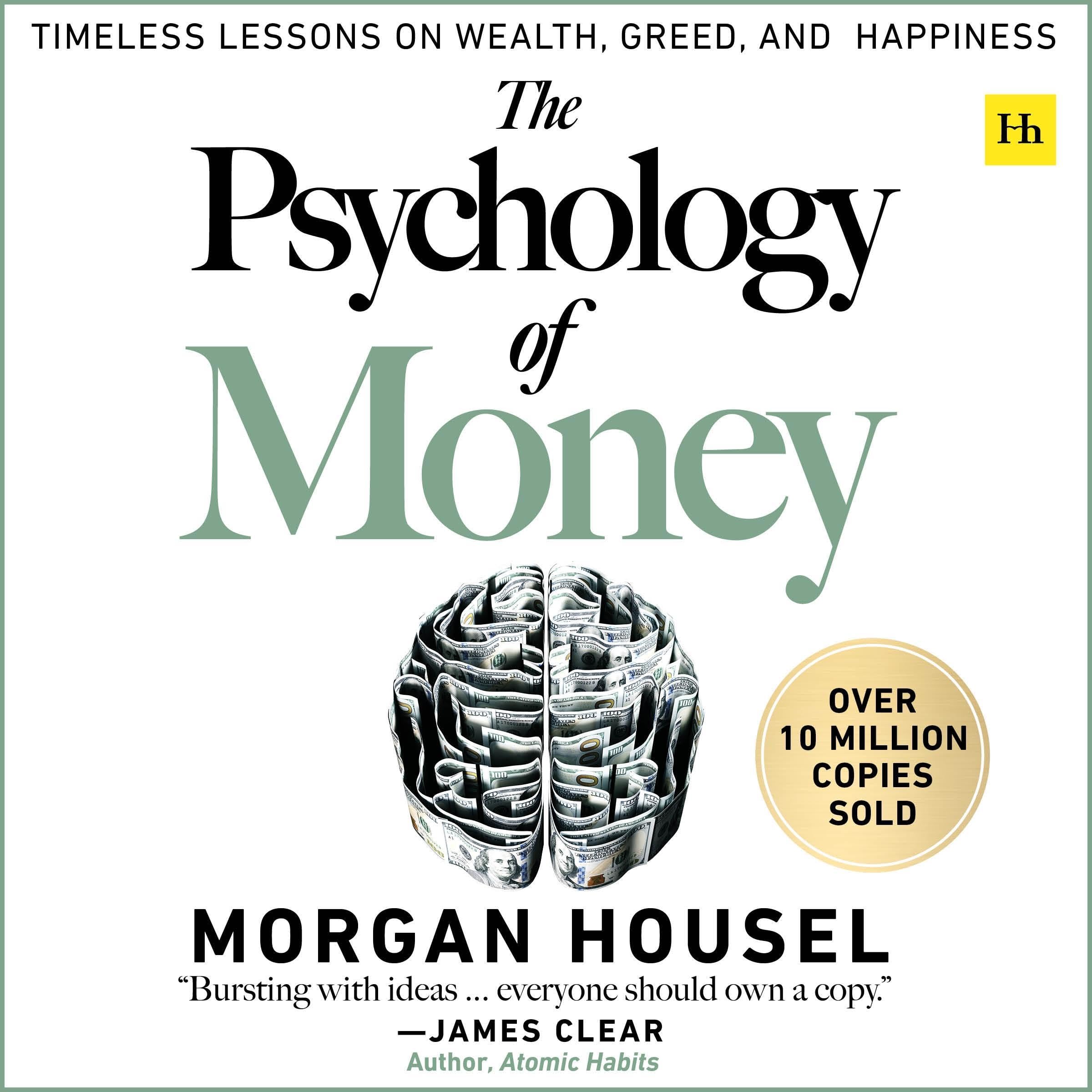
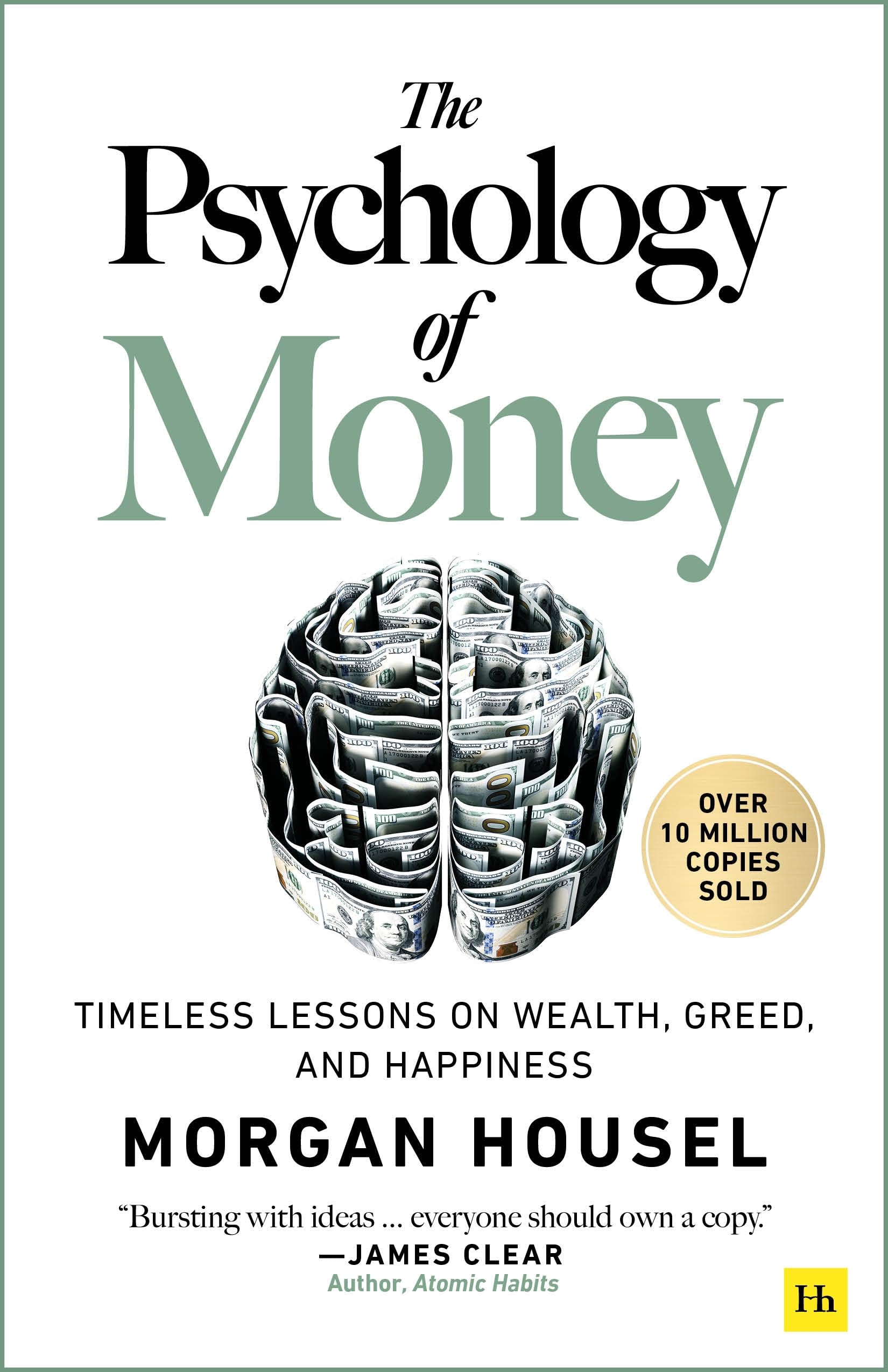
The Psychology of Money by Morgan Housel is intended for anyone seeking to make better financial decisions and understand the behavioral aspects of money management. This bestselling book focuses on how personal behavior, rather than just mathematical knowledge, drives financial outcomes. Readers interested in the human side of wealth building will find its insights relevant.
Conversely, readers looking for a traditional finance textbook filled with complex formulas or specific investment strategies might find The Psychology of Money less aligned with their needs. The book emphasizes soft skills and psychological biases over technical financial expertise. It does not provide direct financial advice, so readers seeking prescriptive investment plans should look elsewhere.
The Core Ideas in The Psychology of Money Book
The Psychology of Money explores the intricate relationship between human behavior and financial decisions. Morgan Housel argues that success with money often depends more on managing one's own behavior than on applying complex financial formulas. The book highlights that real-world financial choices are influenced by personal history, ego, pride, and various incentives, not just spreadsheets.
This book presents its concepts through 19 short stories, illustrating how people think about money in unusual ways. Topics covered include behavioral finance, the influence of emotions on financial decisions, and strategies for wealth building and retention. It also discusses compounding interest, the roles of risk and luck, and the distinction between being rich and being wealthy. Readers will learn about financial independence and how to define 'enough' for themselves. It is important to remember that this book provides insights into financial psychology and is not a substitute for professional financial advice tailored to individual circumstances.
How The Psychology of Money Compares to Similar Titles
The Psychology of Money by Morgan Housel, with its 4.7-star rating from over 74,000 reviews, is a highly regarded title in the Business & Money category. Another book by the same author and with the identical title appears in related books, showing a very similar rating and review count, suggesting consistent reader reception.
When compared to Atomic Habits by James Clear, also in Business & Money, The Psychology of Money has a slightly lower rating (4.7 vs. 4.8) and fewer reviews (over 74,000 vs. over 150,000). The Let Them Theory by Mel Robbins, another Business & Money title, has a 4.6-star rating from over 48,000 reviews, placing The Psychology of Money ahead in both metrics. 48 Laws of Power by Robert Greene, also in the Business & Money category, holds a 4.7-star rating but with more reviews, over 90,000. Own or Be Owned by Codie Sanchez has a 5-star rating, but with only 98 reviews, making it a newer or less widely reviewed option compared to The Psychology of Money.
What to Read Next After The Psychology of Money
- If you found the focus on personal habits compelling, consider Atomic Habits by James Clear, which also falls under the Business & Money category.
- For more insights into human behavior and decision-making, The Let Them Theory by Mel Robbins is another option in the Business & Money category.
- If you are interested in strategic thinking within the Business & Money category, 48 Laws of Power by Robert Greene might be a suitable follow-up.
Questions readers ask about The Psychology of Money
What is The Psychology of Money book about?
The Psychology of Money explores the influence of human behavior on financial decisions. Author Morgan Housel argues that understanding one's own psychology is more crucial for financial success than relying solely on mathematical knowledge or formulas.
What topics does The Psychology of Money cover?
The book covers behavioral finance, the role of emotions and personal history in financial choices, and strategies for building and keeping wealth. It also discusses compounding interest, risk, luck, and the difference between being rich and being wealthy.
How does The Psychology of Money present its ideas?
Morgan Housel presents 19 short stories to illustrate various concepts related to money and human behavior. These stories aim to help readers make better sense of financial decisions by highlighting common psychological biases.
Who is the intended audience for The Psychology of Money?
The Psychology of Money is intended for anyone who wants to improve their financial decision-making by understanding the behavioral aspects of money management. It focuses on the human element behind wealth, greed, and happiness.
See The Psychology of Money on Amazon
As an Amazon Associate, Bestseller Shelf earns from qualifying purchases. This guide is based on the publisher's description, public information about the book and Amazon listing data as of October 7, 2026; it is not a personal review.