Who Thinking, Fast and Slow is for
Thinking, Fast and Slow is for general readers interested in understanding the cognitive processes behind everyday thoughts and choices. The book explores how decisions are made in both business and personal life, making it suitable for anyone curious about human judgment. It offers insights into the mechanisms that influence our choices, helping readers grasp the underlying psychology.
Readers seeking quick self-help solutions or immediate actionable business strategies might find Thinking, Fast and Slow less direct. The book focuses on theoretical insights into cognitive biases and decision-making rather than providing step-by-step guides. Its approach is more about understanding the mind's operations than offering prescriptive solutions for specific problems.
What you get from Thinking, Fast and Slow
Thinking, Fast and Slow introduces two distinct systems of the mind that govern thought and decision-making. Readers will learn about System 1, which is fast, intuitive, and emotional, operating automatically without much effort. The book also details System 2, characterized as slower, more deliberate, and logical, requiring focused attention.
The book covers essential topics such as cognitive biases, heuristics, and the intricacies of decision-making and intuition. It also explores concepts from behavioral economics, including loss aversion, overconfidence, and prospect theory. Through these discussions, Thinking, Fast and Slow aims to reveal the pervasive influence of intuitive impressions on our judgments and choices.
Thinking, Fast and Slow provides practical insights into making better choices in both business and personal contexts. It helps readers understand where intuition can be trusted and how to guard against common mental errors. This book is a resource for understanding the human mind's capabilities and limitations, but it is not a substitute for advice from a qualified professional when dealing with complex personal or financial situations.
How Thinking, Fast and Slow compares to other books
Thinking, Fast and Slow, a paperback by Daniel Kahneman, has an Amazon rating of 4.6 stars from 48,851 reviews and is 512 pages long. This places it within the Business & Money category alongside several other popular titles.
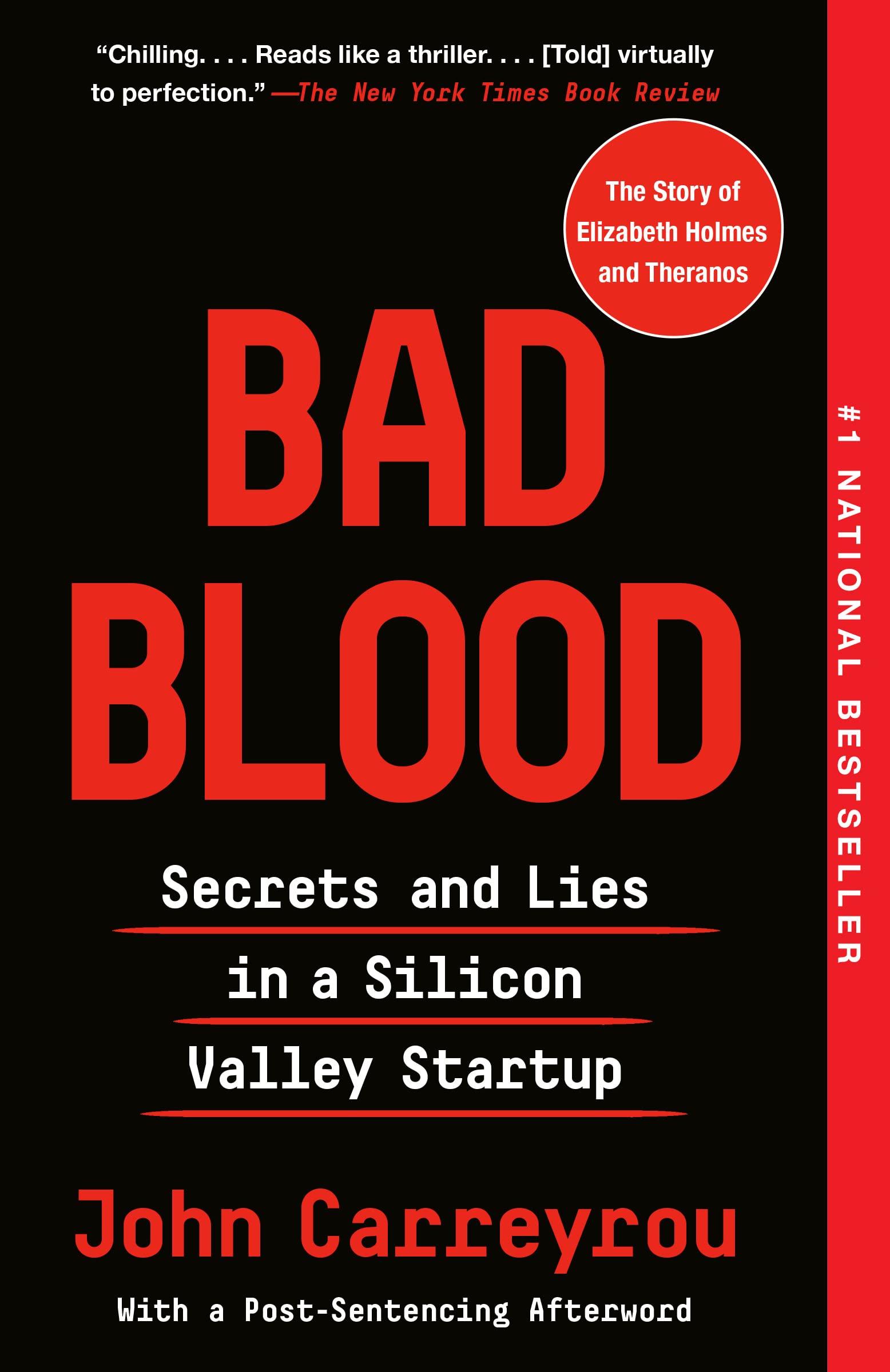
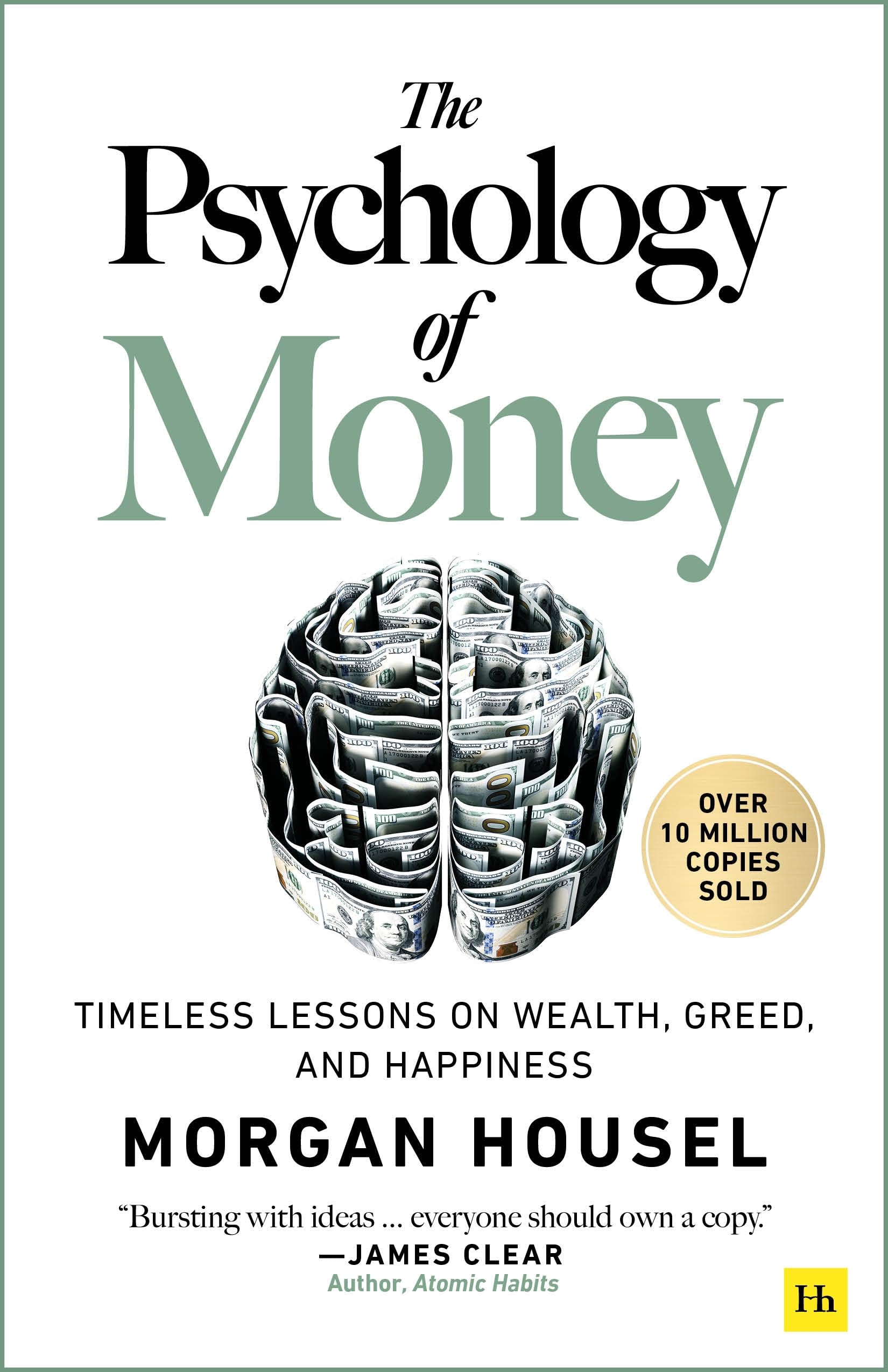
For instance, The Let Them Theory by Mel Robbins also holds a 4.6-star rating but has slightly more reviews at 49,653. Bad Blood by John Carreyrou, another Business & Money title, has a higher rating of 4.7 stars with 34,097 reviews and is a Kindle format at 353 pages. Atomic Habits by James Clear, a highly rated book in the same category, boasts a 4.8-star rating from a significantly larger 150,442 reviews. Similarly, The Psychology of Money by Morgan Housel has a 4.7-star rating from 75,247 reviews. In contrast, Princes and Thieves by Matthew Cole has a 4.5-star rating, but from a much smaller base of 80 reviews.
What to read next after Thinking, Fast and Slow
For more insights into human behavior and decision-making within the Business & Money category, consider The Psychology of Money by Morgan Housel. If you are interested in forming better habits, Atomic Habits by James Clear could be a valuable next read in the same category. To explore another perspective on personal agency, The Let Them Theory by Mel Robbins is also in the Business & Money category.
Questions readers ask about Thinking, Fast and Slow
What is Thinking, Fast and Slow about?
Thinking, Fast and Slow explores the mind's two systems that drive thought and decision-making: System 1 (fast, intuitive) and System 2 (slower, logical). The book examines cognitive biases, heuristics, and how these systems influence our judgments and choices in business and personal contexts.
Who wrote Thinking, Fast and Slow?
Thinking, Fast and Slow was written by Daniel Kahneman, a Nobel laureate in Economic Sciences and a psychologist. He summarizes decades of his research on cognitive biases and decision-making in this book.
What topics does Thinking, Fast and Slow cover?
The book covers System 1 and System 2 thinking, cognitive biases, heuristics, decision-making, intuition, and behavioral economics. Specific concepts like loss aversion, overconfidence, and prospect theory are also discussed in detail.
Is Thinking, Fast and Slow a difficult read?
Thinking, Fast and Slow is intended for the general public and anyone interested in cognitive processes. While it covers complex psychological and economic theories, it aims to make these insights accessible to a broad audience, offering a theoretical understanding of human thought.
See Thinking, Fast and Slow on Amazon
As an Amazon Associate, Bestseller Shelf earns from qualifying purchases. This guide is based on the publisher's description, public information about the book and Amazon listing data as of November 9, 2026; it is not a personal review.